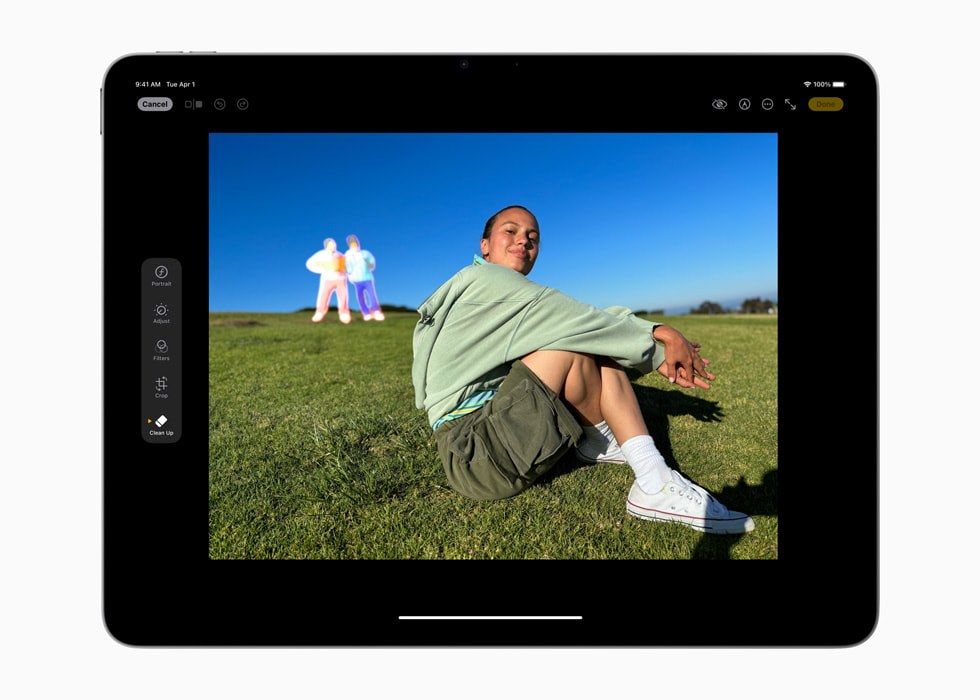
Start with Samsung’s full catalog. Pilot portable essentials and useful bundles, build a practical Apple access route, and scale products that earn their delivery and service costs.
Make the seller, product fit, delivery estimate and remedy easy to understand before payment.
Supporting analysis, assumptions and sources
What is visible today
A small set of laptop listings with product images, model names, advertised prices, “In Stock” labels and Add to Cart buttons. Those are a useful starting point; stock and checkout have not been verified.
What I would make easier to find
Which laptop suits my work—and which software needs a compatibility check?
Who sells it, what warranty applies, and when will it arrive?
What happens if it arrives damaged or does not work?
The inspected returns page does not have an electronics-specific section. That is an unresolved buyer question, not proof that all electronics sales are final.
What to say
“We have a starting catalog. I would make it easier for a first-time customer to choose, understand the terms, and trust what happens after payment.”
02 / THE US RETAIL LANDSCAPE
The buyer compares the whole purchase.
Price sets the reference. Product confidence, delivery and ownership support decide whether Company X earns the order.
The three primary benchmarks
Best Buy is the strongest all-round benchmark for this launch; Amazon sets the convenience reference, and P.C. Richard demonstrates regional service. This is a strategic assessment, not a sales or satisfaction ranking.
Retailer
Price posture
Assortment
Trust
Delivery
Service
Returns
Warranty
Best BuyBEST OVERALL BENCHMARK
Promotions + qualified match
Broad tech + 3P sellers
Stores, Geek Squad
Pickup; parcel; scheduled large-item delivery
Repairs, setup, paid installation
15 days most; Plus/Total 60 days; exclusions
Manufacturer + optional protection
Amazon
Rapidly changing seller offers
Very broad 1P/3P catalog
A-to-z protection; verify actual seller
Prime-eligible speed varies by ZIP/SKU
Seller/brand support; selective services
Generally 30 days; category/seller exceptions
Brand/seller eligibility varies
P.C. Richard & Son
30-day identical-item price guarantee
Electronics + appliances/home
Regional showrooms and service
Local same/next day where eligible; national parcel/freight
Delivery, installation, repair
30 days, factory-sealed; conditions
Manufacturer + optional service plans
Retailer
Price posture
Assortment
Trust
Delivery
Service
Returns
Warranty
Walmart
Mass-market prices + 3P offers
Broad retail + marketplace
Stores and platform support
Pickup/delivery on eligible stock; seller shipping
Retail customer service; optional services
Retail electronics 30 days; 3P electronics generally 14
Brand/seller terms; optional protection
Costco
Member offers and bundles
Selective assortment
Membership + return policy
Warehouse stock or scheduled shipment
Technical support on eligible products
90 days for listed electronics categories
Eligible extended coverage varies by product
Newegg
Deals, components, bundles
PC parts and gaming + 3P
Specialist brand; check seller
Parcel fulfillment; offer-specific ETA
Technical content and seller support
Eligible Newegg badge: 30 days free; 3P terms vary
Manufacturer/seller terms
B&H
Specialist offers
Creator/PC/AV depth
NY superstore and experts
Same-day pickup on eligible stock; expedited parcel
Expert product advice
30 days, exclusions include opened computers
Listed manufacturer warranty; check SKU
Published policy summary; seller, item and membership exclusions apply. Sources remain in the competitive evidence below.
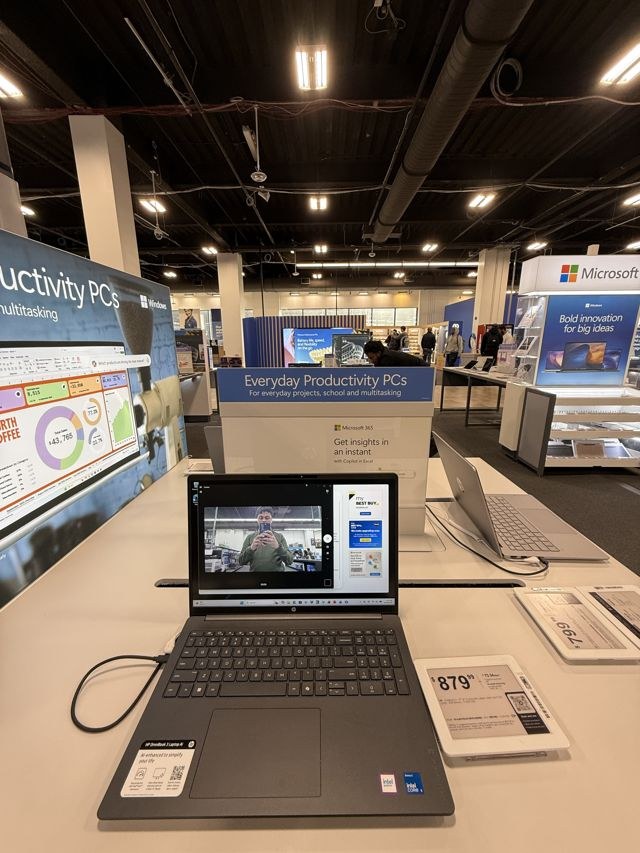
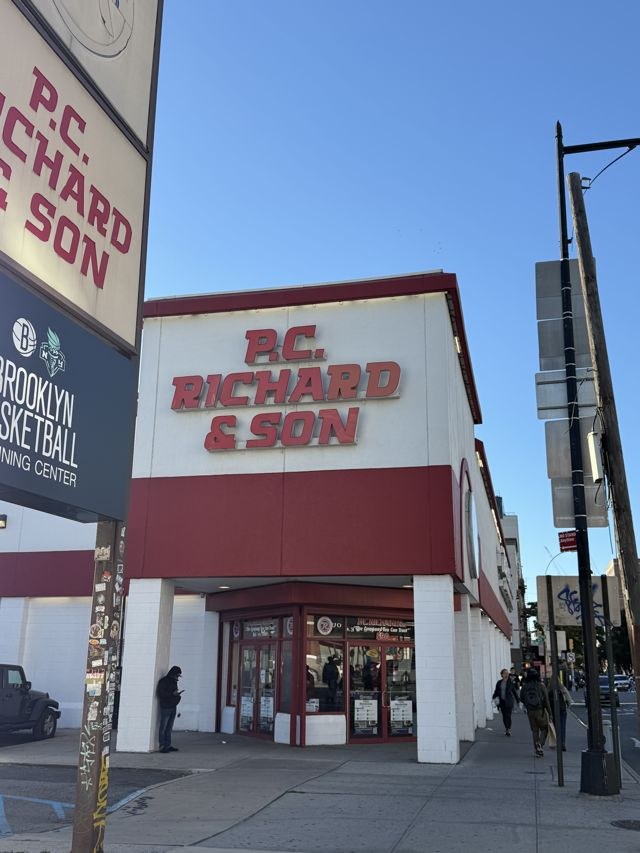
I visited the stores on Sunday, October 18
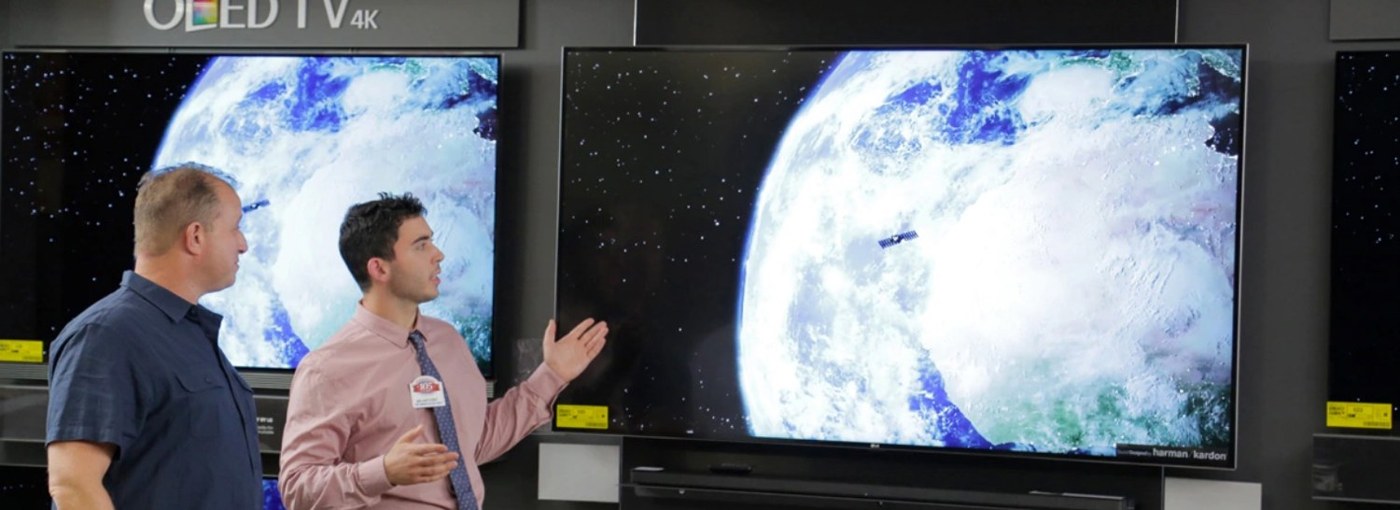
Best Buy (Atlantic Terminal) and P.C. Richard & Son (86th Street and Atlantic Avenue). Busy stores, deep markdowns, little time for questions: our opening is fast, human answers online.
Best Buy: me, in the demo laptop's cameraP.C. Richard, 590 Atlantic Ave
BRAND MIX / A VERIFIED CATEGORY VIEW
US smartphones: Apple and Samsung lead shipments.
Q2 2026 · US smartphone unit shipments. This is a category-specific brand chart, not all consumer-electronics sales or sales revenue.
Counterpoint Research · Market Monitor · Q2 2026
Apple54%
Samsung30%
Motorola11%
Google3%
Others3%
Implication for the proposal: Samsung provides a credible anchor; Apple access remains strategically relevant. Shipment scale alone does not establish reseller margin, authorization or achievable demand for Company X.
Reported shares total 101% because of rounding. Labels preserve the published values; pie angles use each value ÷ 101. Shipments are sell-in to channels, not purchases by consumers. No reliable public, comparable brand-sales split across all US consumer electronics was found in this research, so this chart must not be read as that broader market.
US electronics: Amazon and Best Buy take most of the spending.
Past 12 months to late 2025 · share of consumer spending on select consumer-electronics categories, by retailer.
Numerator Consumer Electronics Tracker · late 2025
Amazon30%
Best Buy28%
Walmart12.8%
Costco, Target, Sam’s Club and all others29.2%
Implication for the proposal: Two retailers take 58% of spending. Company X can’t beat Amazon on range or Best Buy on stores and services, so it should win a narrow niche: students, bundles and accessories.
Costco, Target and Sam’s Club each held a single-digit share; ‘others’ is the remainder. Walmart’s figure runs through September 2025 and is reported as share of consumer spending, so its basis may differ slightly from Amazon’s and Best Buy’s.
All US electronics by brand: no reliable public split exists.
Brand share is published per category (phones, TVs, laptops), not for consumer electronics as a whole.
Closest public proxy: TVs, game consoles and cameras only, 12 months to Q3 2023
Brand
Dollar share
Unit share
Samsung
26%
18%
Sony
25%
21%
Apple, LG and others are not reported in this dataset. Category brand leaders: Apple and Samsung (phones, see view 1); Samsung and Sony (TVs, consoles, cameras).
Implication for the proposal: Brand power is concentrated by category, so Company X’s supply plan is per category: Apple and Samsung for phones and tablets first.
Competitive evidence, pricing constraints and sources
$371BUS consumer-tech hardware retail revenue forecast, 2026CTA January forecast: +3.4% vs. its 2025 estimate.$565BBroader consumer-tech industry forecast, 2026Includes $194B software/services. Growth: +3.7%.34.4%Best Buy domestic revenue transacted online, FY2665.6% non-online by subtraction. This is one retailer, not the industry split.
CTA’s January 2026 forecast estimates retail revenue across consumer technology. Hardware is the relevant broad starting universe; the total also includes software and services that Company X will not sell. The public preview does not provide a complete dollar mix for laptops, phones, audio and other hardware on the same retail basis. Nor did this research find a reliable public 2025–2026 online/in-store split covering that same universe. We do not divide an unrelated e-commerce estimate by CTA’s total.
The category mix below is Best Buy’s domestic business, including appliances and services. It helps show one retailer’s economics; it is not a national category-share estimate. Channel comparisons should use matched definitions, dates and transaction values. A later CTA forecast exists, but its detailed figures were not available in the public material used here.
Best Buy: a store network with a national digital business
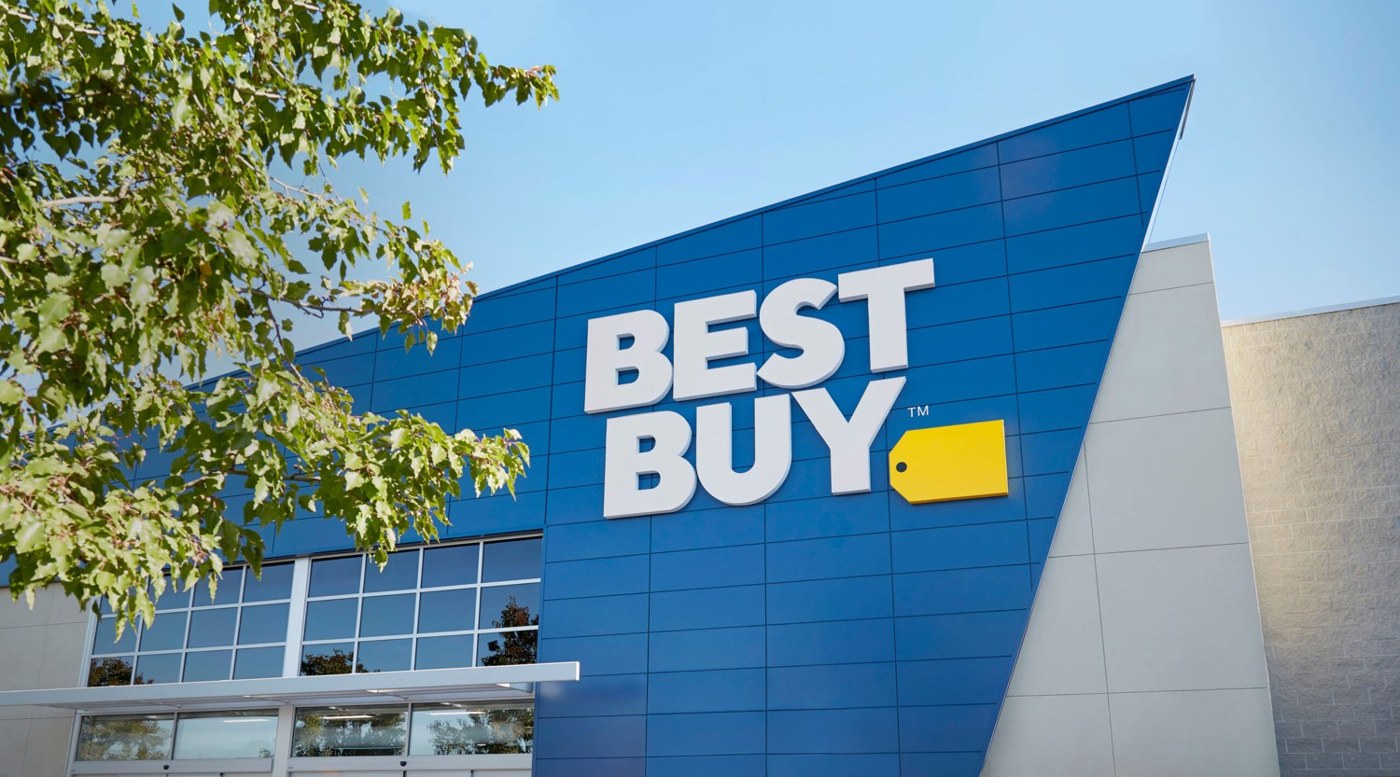
Best Buy store exterior. Its physical network supports the online offer. Photo source ↗Best Buy: detailed economics, services and policy evidenceP.C. Richard: detailed regional operating model
The scale to respect
FY26 enterprise revenue was $41.691B; domestic revenue was $38.278B, including $13.166B online. At January 31, 2026 it operated 886 domestic Best Buy stores, within a broader domestic network of 926 locations.
The domestic services category generated $2.466B. That includes several services; Best Buy does not publish a standalone Geek Squad revenue figure. Its 22.6% domestic gross margin is a blended retailer result, not a Samsung laptop resale margin.
The commercial model
Promotions and eligible price matches defend comparable hardware. Membership, protection, repair, setup and installation create additional reasons to stay. Best Buy also launched its US marketplace in August 2025, with eligible marketplace returns accepted in stores.
For Company X, an identical laptop at a higher delivered price needs a concrete, valued benefit. A small catalog alone is not that benefit.
Matches eligible new, identical, immediately available products at qualified competitors. Excludes marketplace, open-box/refurbished and service prices.
Compare model, condition, seller, shipping and promotion eligibility before setting the buy-cost ceiling.
Membership
Current Plus: $29.99/year. Total: $199.99/year. Most eligible products have a 60-day member return window.
Do not compare Company X only with Best Buy’s standard 15 days. Buyers may already have membership.
Geek Squad / Total
Total adds 24/7 support and up to 24 months of eligible product protection while membership remains active. Fees, exclusions and claim limits apply.
State a narrower support promise that someone can actually staff. Totaltech is a legacy name, not the current plan.
Open-box and trade-in
Open-box grades include Excellent, Good and Fair. Eligible trade-ins receive Best Buy gift-card value.
New products also compete with lower-priced open-box stock. Track condition separately; do not count trade-in value as a universal cash discount.
Delivery / installation
Pickup and delivery depend on stock and location. Large-product delivery and installation have separate availability and terms.
Quote an achievable ETA. National in-home installation is a later-stage business, not a launch promise.
P.C. Richard & Son television showroom, from the company’s history page. Photo source ↗
Local density supports the promise
Family-owned since 1909, with a NY/NJ/CT/PA footprint. Its history page describes three distribution centers and two service centers, including a Farmingdale operation and regional infrastructure. Company pages differ on showroom count, so this pitch does not treat one count as definitive.
It combines advice, demonstration, delivery, installation and repair. Selected eligible products receive same-day or next-day local delivery. Same-day courier delivery does not include installation.
Price and policy still matter
Its low-price guarantee covers eligible identical new in-stock items advertised lower within 30 days. Its general return policy requires factory-sealed merchandise within 30 days, subject to conditions.
The lesson for Company X is service accountability with disciplined terms. Our interpretation is that regional infrastructure and trained staff support this position; private company profitability and the causal contribution of each factor are not public.
A visible person who owns the order, exact compatibility guidance and a delivery promise tied to real stock. Start a local delivery pilot only when route economics and daily coverage support it.
Seven competitors that matter most to Company X
Selected for relevance to this launch, not ranked by US sales: Best Buy, P.C. Richard & Son, Amazon, Walmart, Newegg, B&H and Back Market. Costco and Micro Center remain useful secondary references in the supporting research.
Read across the table, not down a single price column. Published policies checked October 16, 2026; eligibility and checkout terms govern each order. Warranty refers to the actual product/seller terms, not an automatic platform-wide manufacturer warranty.
These are strategic hypotheses based on differences in the published offers, not measured market-wide dissatisfaction or promises that Company X already delivers.
Competitor
Specific boundary in the offer
A feasible Company X response
Best Buy
Price-match and paid-member benefits have exclusions; a marketplace order is not always a Best Buy retail order.
One clear seller, exact terms and a named escalation owner. Prove response time.
P.C. Richard
In-home service advantage is regional; factory-sealed returns leave an opened-device decision risk.
Nationwide small parcels, compatibility advice and prompt defect triage. Avoid competing in appliance installation.
Amazon
Many offers require checking seller, condition and warranty separately.
Show those facts together on every product page, backed by invoices and serial controls.
Walmart
Retail and marketplace electronics have different return windows.
One consistent electronics policy for the pilot assortment.
Newegg
PC depth and seller policies can be hard for a non-expert to navigate.
A small, plain-language selection with exact compatibility.
B&H
Opened computers are excluded from its general return policy.
Pre-sale app and port checks; a written DOA remedy, without promising open-ended preference returns.
Back Market
Cosmetic grade and seller warranty differ from buying factory-new.
Clearly separate new authorized product from documented open-box/refurb inventory.
Samsung Galaxy Buds3 Pro lifestyle photography. Small products still need a clear ownership promise. Photo source ↗
Back Market’s useful lesson
It makes refurbished buying easier to assess through condition grades, seller standards, 30-day free returns and a one-year seller limited warranty. These reduce uncertainty about used goods; they do not make every device manufacturer-refurbished or manufacturer-warranted.
Company X can borrow the disclosure discipline. Open-box should become a separate, tested offer only after serial tracking, grading, battery/activation checks where relevant, and a funded remedy process exist.
The competitor’s price becomes a buying constraint
Fixed illustration, not a live SKU quote. A rival’s delivered cash price is a working reference ceiling for an identical offer. It is not a legal ceiling: Company X could charge more if buyers value a separately stated service or bundle. Do not assume that premium before a test.
Every input above is a planning assumption. Prices exclude sales tax. Landed cost includes inbound freight/duty where applicable. The reserve is a simplified expected net cost, not a return rate; do not add the full detailed model’s reserves again. The $20 price reduction cuts affordable landed cost by $19.42 after the assumed variable processing fee.
Category decision: pilot compact Samsung essentials and compatible accessories only where the supplier quote clears the ceiling. Keep laptops selective. Phones, earbuds and watches can be heavily promoted too; small size does not guarantee margin. Defer large TVs/appliances until damage, installation and reverse logistics are funded.
What to say
“We respect what these retailers have built. We can earn a focused group of customers with a clearer selection and accountable service. The test is whether our supplier terms leave contribution at the price buyers can already find, including their memberships and delivery options.”
03 / A PROPOSED ELECTRONICS SHOP
Launch a focused Samsung-led assortment.
Start with compact essentials and useful bundles. Keep laptops selective, and add brands only through a documented sourcing route.
Supporting analysis, assumptions and sources
PROPOSED DESIGN · INTERACTIVE CONCEPT ONLY
Company X ElectronicsChoose confidently. Work comfortably.
THE SAMSUNG EDIT
Find the laptop that fits your day.
Start with what you do. Compare the details that matter before choosing.
START WITH YOUR SOFTWARE
Study & everyday work
Compare the exact Galaxy Book configuration with the apps your course or work requires. For Snapdragon-based models, check Windows on Arm compatibility before recommending a purchase.
Before “Add to Cart”
Exact model, condition and seller
Verified warranty terms
Delivery estimate and total cost
Returns and defect remedy
Publish these only after the operating terms are approved.
Compare exact specificationsAsk a product questionSee returns before checkout
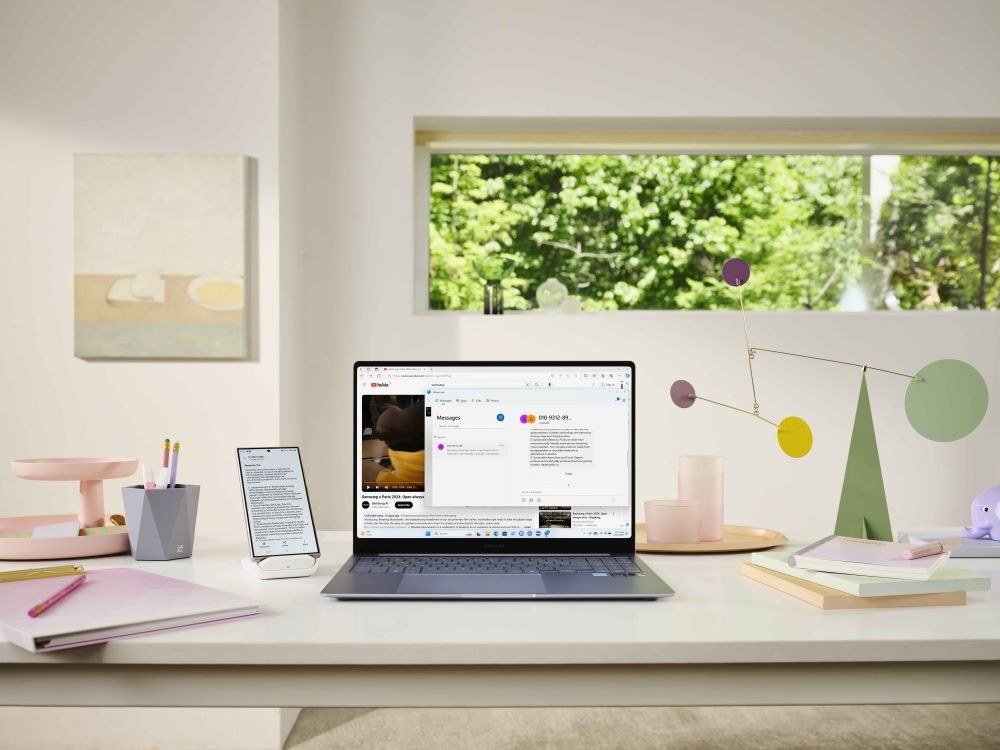
Samsung imagery illustrates the product family; pictured devices are not a verified bundle or final SKU recommendation. Image credit: Samsung Newsroom.
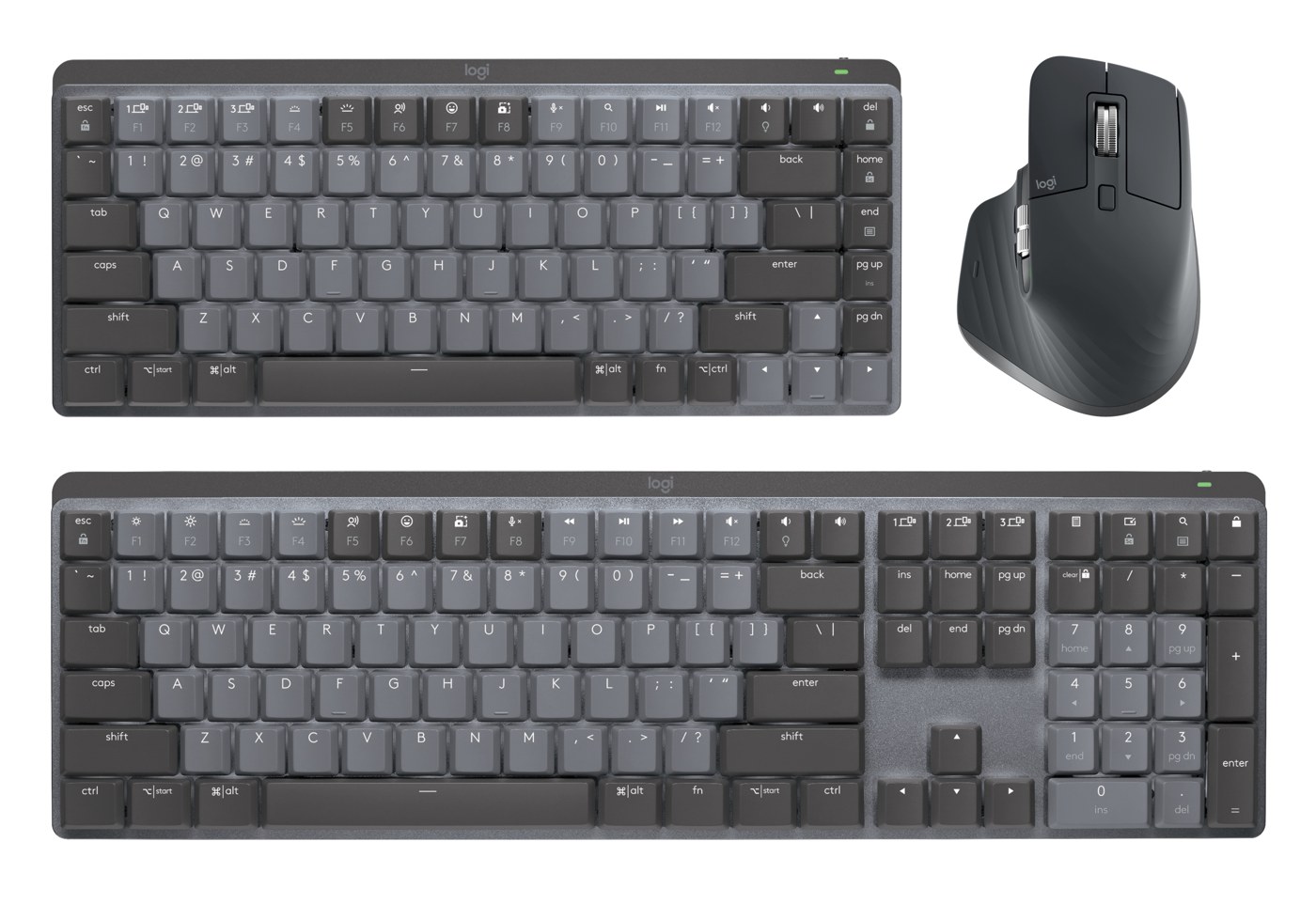
A keyboard, mouse or compatible accessory can make the laptop purchase more useful. Test the extra contribution after shipping and returns; accessories are not automatically high-profit.
Logitech is shown as a real category example, not a confirmed supplier. Confirm sourcing rights, compatibility and economics before listing any additional brand.
Start by comparing Samsung Buds, charging, accessories and selective laptops. Replenish products that demonstrate demand and contribution; defer bulky freight categories.
APPLE / THE ROUTE TO PRODUCT
Build Apple access in stages.
Start with legitimate accessory and qualified refurb routes while pursuing the correct retail channel contact. Use operating evidence to strengthen the authorization application.
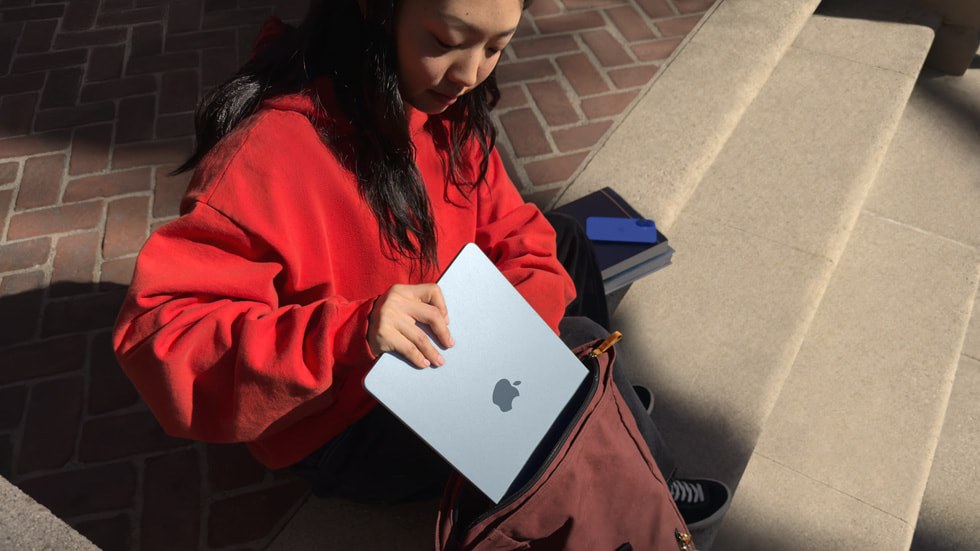
Supporting analysis, assumptions and sourcesApple Newsroom · MacBook Air M4 (2025). Illustrative product family; no Company X authorization claimed.
Route
What is publicly established
Action for Company X
US consumer authorized reseller
No universal public minimum sales volume, years-in-business rule, financial ratio, storefront specification or approval SLA was verified.
Ask Apple for current US e-tail eligibility and the approved distributor route. Do not import criteria from service programs or other countries.
TD SYNNEX Apple Partner Network
Commercial/enterprise route: retail/e-tail and K–12 excluded. Published requirements include $200,000 annual Apple sales capacity, five trained staff, one annual campaign, dedicated Apple web page, weekly reporting, quarterly forecast, MDM and Wi-Fi certificates.
A separate B2B solutions business could explore it. These are not requirements for Company X’s consumer storefront.
TD SYNNEX transactional reseller
Commercial ad-hoc route also excludes retail/e-tail. Its rider restricts third-party marketplaces and hosted third-party sellers.
Do not use this agreement as permission to list Apple on Company X. Ask for the applicable consumer retail route.
Ingram Micro / TD SYNNEX
Both publicly carry or support Apple channels. Distributor customer approval is separate from brand/category/channel approval.
Ask their Apple team which US program permits Company X’s exact legal seller and website. Obtain written scope before ordering.
Professional refurbished supply
A genuine used/refurbished product route can be explored without claiming Apple-authorized status. Commercial channel contracts still matter.
Verify provenance, serials, activation/MDM locks, grading, battery standard and seller-backed warranty. Do not call third-party stock “Apple Certified Refurbished.”
Compatible accessories first
Apple MFi is a technology/accessory licensing program, not authorization to resell Apple hardware.
Buy legitimate compatible products through their own brand channels. Build evidence; there is no automatic promotion to Apple authorization.
First contact: Apple’s US Reseller Referral line, 1-800-538-9696, requesting the team responsible for US consumer e-tail reseller eligibility. In parallel, ask AppleUS@tdsynnex.com to identify the appropriate route; that address is published for its commercial programs, not a promise of a consumer application.
For the published commercial partner process: prepare the business plan and reseller profile, send them to TD SYNNEX, complete its review, then seek nomination to Apple. Nominations are submitted quarterly. No reliable public approval duration or acceptance probability was found. Consumer enrollment timing must come from the relevant team.
Sources: Contact · Apn. Accessed October 16, 2026.
PREPARE NOW
A credible application file
Legal entity, resale certificate, ownership, financial statements and credit references; trading history and category sales; order and return performance; customer acquisition plan; support ownership; exact domain and legal seller. These are proposed readiness materials, not verified universal Apple entry requirements.
SHOW THE CUSTOMER EXPERIENCE
A retail-ready storefront
Accurate product content, serial-level records, warranty and condition disclosure, secure payment, delivery tracking, clear returns and no unauthorized Apple badge. Show Samsung operating results rather than an unsupported Apple sales forecast.
ASK A DECISION QUESTION
What would make us eligible?
“Which US program allows Company X to sell new Apple products as the retailer on the company’s website? Is a physical location required? What volume, credit, history and brand-presentation evidence would you need, and can an approved distributor nominate us?”
Named program contact or clear written eligibility response.
Months 3–6
Document sales, fulfillment, defects and cash discipline; test qualified refurb supply if viable.
Traceable stock, defensible warranty and positive contribution.
Months 6–12
Submit applicable reseller/distributor application if invited; negotiate limited SKU access.
Written retail/e-tail rights and viable landed terms; no deadline assumed.
Months 12–24
Expand authorized SKUs if approved; consider a genuine staffed B2B practice if commercially justified.
Actual approval and economics. Otherwise continue legitimate refurb/accessories without representing Apple authorization.
Outreach wording for the owner
“We operate Company X, an online marketplace, and want a compliant route to new Apple products sold by our own legal entity on the company’s website. We understand your published commercial programs exclude retail/e-tail. Could you identify the appropriate consumer e-tail program or distributor contact, its current requirements, and whether our multivendor site architecture is eligible? We can provide financials, operating results and a detailed channel plan.”
SAMSUNG’S FULL CATALOG / A SELECTIVE LAUNCH
Choose the basket, not just the headline margin.
Prioritize compact Samsung devices and compatible accessories. Bundling spreads shipping and acquisition costs; validate sell-through before increasing the buy.
Supporting analysis, assumptions and sources
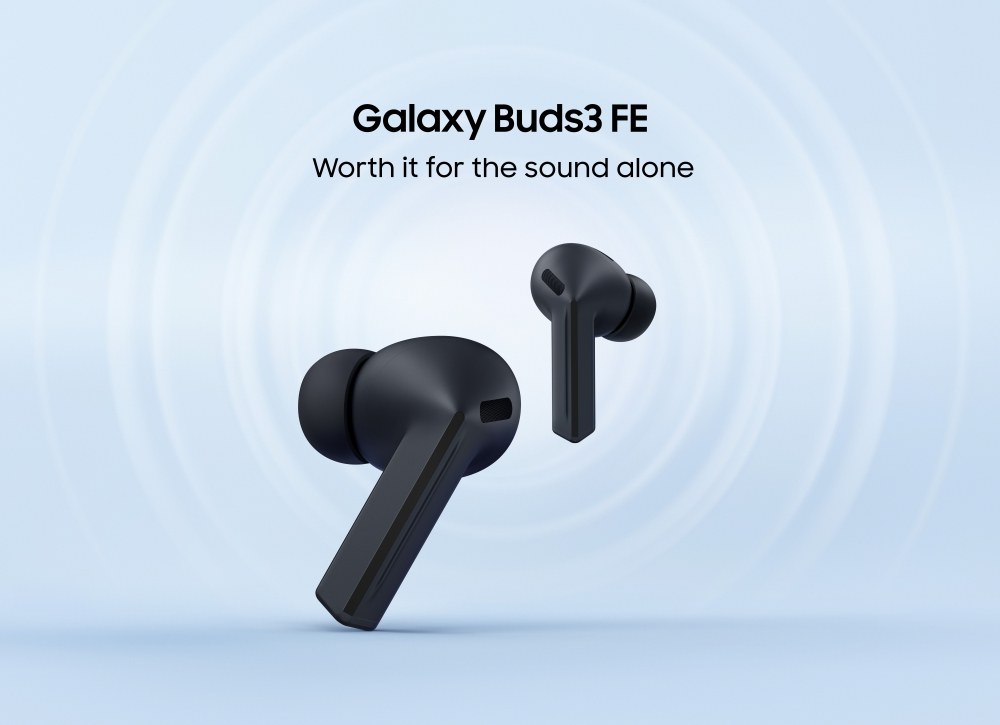
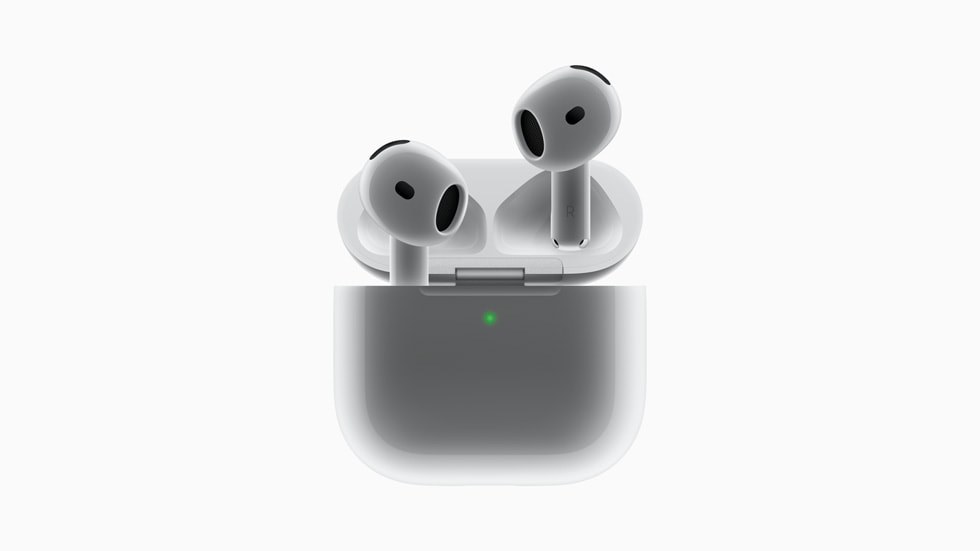
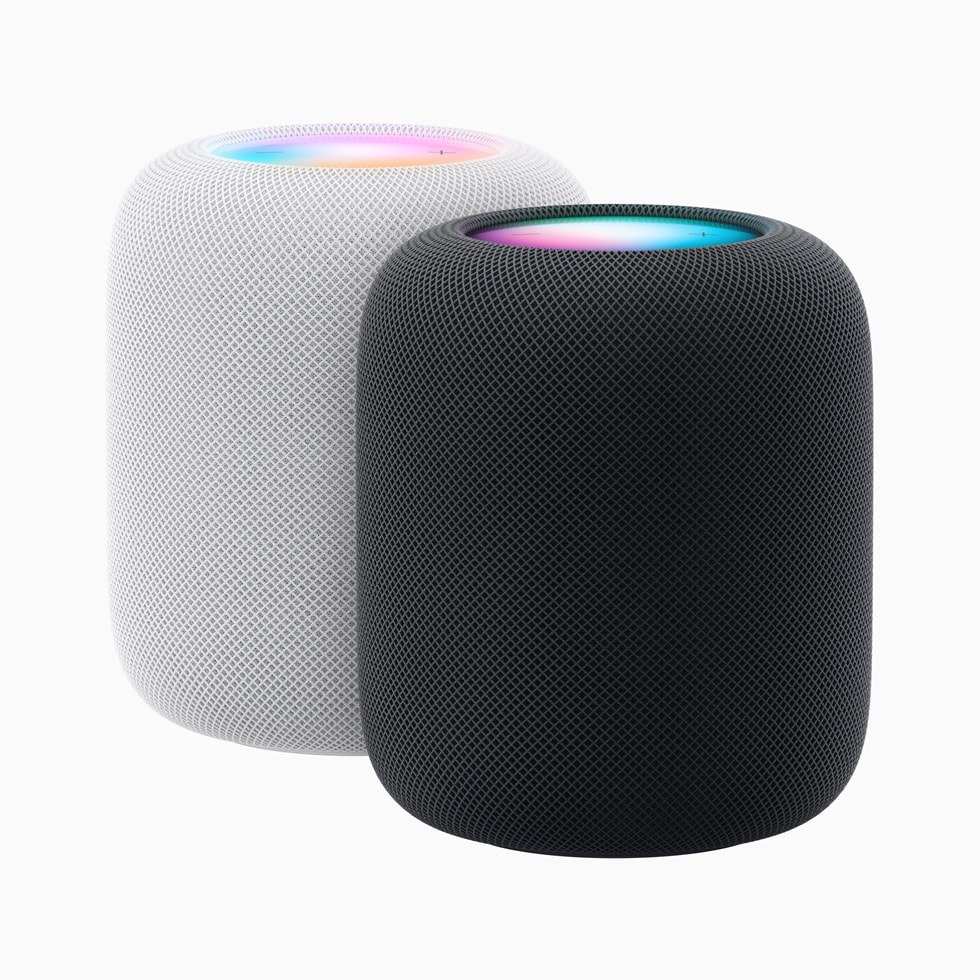
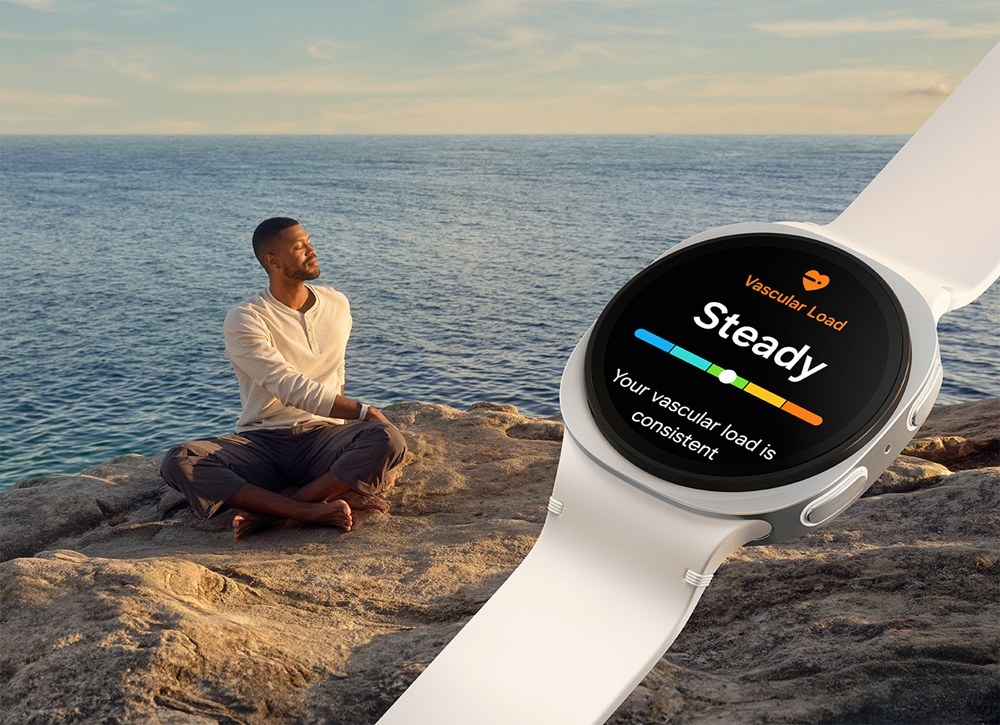
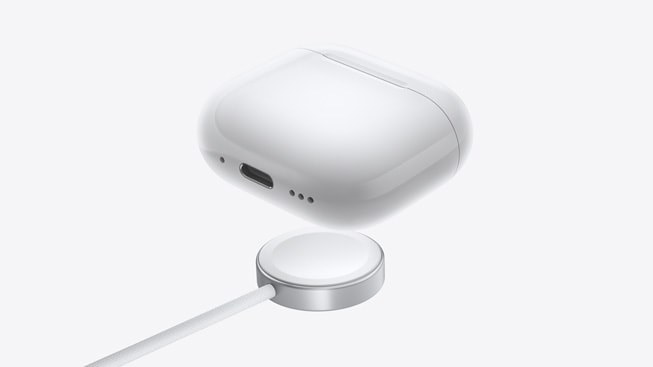
Samsung Newsroom · Galaxy Buds3 FE, 2025. Candidate family, not confirmed stock.Samsung Newsroom · Galaxy Watch8 family, 2025. Validate exact phone compatibility.Apple Newsroom · AirPods 4, 2024. Separate Apple access decision.Apple Newsroom · HomePod, 2023. Smart-speaker example, not a proven high-velocity SKU.
Demand is real at category level; Company X velocity is still to be tested
IDC reports 145.7 million global wearable shipments in Q1 2026, up 4.3%; hearables represent roughly two-thirds. Its 2026 hearables forecast is 407.6 million units. These are global shipment measures, not US online sell-through or Company X sales. Reliable public SKU-level volume, US online subcategory return rates, reseller margins and Company X attach rates were not found. Laptops are not universally slow-turning, nor are all accessories high-margin.
Fixed product economics: screening assumptions, not typical margins
All prices, margins, shipping and return-rate ranges below are analyst scenarios, not current retail offers, supplier quotes or measured industry benchmarks. Landed cost includes inbound allocation. Shipping is assumed seller-funded outbound parcel/packing; acquisition and returns are additional.
Candidate
Sale / landed cost
Assumed gross margin
Outbound / share of sale
Return-rate sensitivity—not observed
Laptop reference
$900 / $792
12%
$15 / 1.7%
4–12%
Galaxy Buds example
$150 / $127.50
15%
$7 / 4.7%
3–10%
AirPods example
$180 / $162
10%
$7 / 3.9%
3–10%
Galaxy Watch / smartwatch
$250 / $212.50
15%
$8 / 3.2%
4–12%
HomePod / smart speaker
$200 / $180
10%
$10 / 5.0%
3–10%
Charger + cable
$40 / $26
35%
$5 / 12.5%
2–8%
Cable alone
$20 / $12
40%
$5 / 25.0%
2–8%
Case / sleeve
$30 / $18
40%
$5 / 16.7%
2–8%
THE LAUNCH DECISION
Lead with qualified Samsung small-device bundles—not standalone cheap cables bought through expensive ads.
Galaxy Buds are a demand candidate, not a presumed margin winner. Watches add compatibility and sizing questions; opened earbuds have hygiene and resale issues; AirPods add authenticity risk; HomePod is heavier and ecosystem-specific. Cases fragment inventory by model. Chargers require genuine safety documentation. Quote the whole Samsung catalog, then rank SKUs by contribution per order, cash tied up and service burden.
Attachment and turns: set a test, not a forecast
At assumed 10%, 20% and 30% paid attachment, every 100 primary-device orders produce 10, 20 and 30 accessory sales. If an attached $40 item costs $26 landed, $1.16 processing, $1 extra fulfillment and $2 expected return/support, contribution is $9.84 each: $0.98 / $1.97 / $2.95 per primary order. No extra CAC or fixed payment fee is allocated because it shares the same checkout.
At 100 monthly units and 30 days of stock, the $792 laptop requires $79,200 of product capital versus $12,750 for the $127.50 earbuds example. Both turn at the same assumed rate; smaller items only turn faster if actual demand proves it. Start with a capped buy and review 30-day sell-through, attachment and contribution by SKU.
FIXED PLANNING CASE
A useful basket. A visible contribution.
Illustrative product or customer use case; not Company X inventory or an endorsement. Photo: Apple Newsroom
Present one small-product basket—not a calculator. Every amount below is an analyst assumption; no supplier price or forecast is claimed.
391 monthly orders to cover $3,000 assumed fixed costs. A requirement, not a sales forecast.
Most we can spend to win an order: $15.68, before any fixed cost.
Sensitivity, all else held fixed: $68 landed → $2.93 contribution; $10 outbound → $3.68; $16 CAC → −$0.33. Rounded results; full arithmetic in Detailed numbers. Returns 5%, lost disputes 0.3%, disjoint outcomes.
RETURNS / OWNER’S POLICY DECISION
Choose a strict return policy; keep a clear defect remedy.
Illustrative product or customer use case; not Company X inventory or an endorsement. Photo: Samsung Newsroom
Change of mind is the founder’s decision — strictest first: A) Final sale, stated clearly before payment. B) Sealed-only, 7 days; the customer pays the return label. C) Sealed-only, 14 days; the earlier proposal, with customer-paid return postage.
For every option: replace or refund dead, damaged or wrong items reported within 30 days of delivery. Card networks decide “defective / not as described” disputes regardless of the store’s return policy. On a $90 order, a lost dispute costs about $87 ($63 product + $2.91 card fee + $6 shipping + $15 dispute fee), versus about $15 for a return.
NY GBL §218-a: no-refund or store-credit-only policies are allowed, but the policy and any fees must be shown online before payment, near the item or before requesting billing details. Otherwise, a buyer can claim a refund or credit within 30 days of purchase for unused, undamaged goods with proof of purchase. NY refund-policy disclosure law.
Supporting analysis, assumptions and sources
Option C: the cost of the earlier proposal
Option C is a cost scenario, not the recommendation. Sealed returns may reduce purchase hesitation while preserving resale condition. Clear defect remedies may reduce uncertainty and avoid escalation. Neither effect has a reliable electronics-specific causal conversion estimate. NRF’s cross-category survey supports the importance of return experience, but it does not quantify Company X’s conversion response.
Option C and comparison scenarios vs DOA-only baseline
Assumed extra events × incremental loss
Cost per original order
Relative order/conversion uplift needed
14-day sealed preference return
2% × $30
$0.60
8.48%
Selected compatibility remedy
1% × $35
$0.35
4.78%
Broad opened preference returns
5% × $50
$2.50
48.3%
All figures are assumptions. Baseline contribution is $7.675/order after existing losses and acquisition. Incremental loss includes reversed product spread, unrecovered fulfillment/payment and handling net of resale recovery—so lost profit is not omitted. Holding traffic and all other costs constant, required relative uplift = $7.675 / ($7.675 − added cost) − 1. Example: 2.00% conversion would need to reach about 2.17% for the sealed scenario. These are break-even hurdles, not predicted uplifts; scenarios are separate, not additive. Customer-paid return postage is already assumed for sealed preference returns.
Decision: the founder chooses A, B or C. The table retains the earlier option C cost hurdle and separate comparison scenarios; it does not recommend expanding returns. Fund defect remedies under every option and measure contribution, return reasons and resale recovery.
Read the return-policy options and defect remedy
Return policy: the founder’s decision
Change of mind is the founder’s decision — strictest first: A) Final sale, stated clearly before payment. B) Sealed-only, 7 days; the customer pays the return label. C) Sealed-only, 14 days; the earlier proposal, with customer-paid return postage.
For options B and C, goods must remain unused, unactivated and factory-sealed, with all contents and proof of purchase. Opened or activated electronics are not eligible for change-of-mind returns. State any product-specific conditions before payment.
For an eligible preference return, you pay the return label cost disclosed before payment. There is no restocking fee. We refund the item price and applicable tax to the original payment method; separately charged original delivery is not refundable. We do not deduct a hidden outbound charge where delivery was advertised as free.
If your item arrives dead, damaged, wrong, or materially different from its listing, contact us as soon as possible and within 30 calendar days of delivery. Company X supplies an appropriate prepaid return method and offers a replacement or a refund, including applicable tax and original delivery charges. We may request reasonable photos or diagnostics; do not ship a damaged battery without instructions. No restocking fee applies.
After inspection, we issue an approved refund within five business days; your payment provider may take additional time to post it. For later faults, we help you access the stated product warranty. These time windows do not limit rights or remedies required by law, applicable manufacturer commitments or payment-network rules. Each independent seller’s applicable policy must be shown before purchase and may not reduce mandatory rights.
Proposed policy for founder adoption after assigning the stated refund/support service levels. Publish it prominently on product pages and before checkout. No numerical chargeback reduction or conversion uplift is assumed.
06 / THE DECISION
Approve a focused pilot, with clear milestones to grow.
Illustrative product or customer use case; not Company X inventory or an endorsement. Photo: Apple Newsroom
Pilot Samsung portable essentials as Company X retail (1P), with selective laptops where terms work. Develop the correct Apple access route in parallel. Add vetted sellers after operating proof.
PREPARE
Confirm the agreement.
Get SKU and channel rights, actual landed costs, warranty/RMA terms, budget, fulfillment arrangements and daily owners.
PILOT
Test a small offer.
Publish accurate pages and approved policies. Test a limited acquisition budget and observe real deliveries, questions and returns.
REVIEW
Expand only if it works.
Review contribution by SKU after acquisition and mature losses. Stop or renegotiate when the order loses money or service fails.
This is an independent case study, not an Apple, Samsung or Logitech endorsement. No dealer relationship, inventory, discount or service promise is asserted by the images.
Company X Electronics: three conditions for growth
1. Viable supply: Samsung full-catalog quotes and correct Apple retail-channel access.
2. Funded service: named daily owners, sealed preference returns and clear defect remedies.
3. Positive contribution: the assumed $90 basket leaves $7.68 before fixed overhead; test real demand and costs before scaling.
PRESENTATION COMPANION / FINAL DECK
The storefront launch pitch
Follow the final deck’s 20 core slides and 3 appendix slides here, including key text and speaker notes. Download the attached final PowerPoint for the original slide layouts and photographs.
How Best Buy and P.C. Richard make money, and where Company X wins
INDEPENDENT CASE STUDY · COMPANY NAME WITHHELD
How should a small online marketplace enter consumer electronics?
Prathamesh Adarkar · Independent case study · 2026
Sources
FIXED DECISION CASE / ALL OPERATING INPUTS ARE ASSUMPTIONS
Company X sells first. Selected sellers come later.
An accessory order must cover its own delivery and acquisition cost. Photo: Apple Newsroom
1P: Company X is the retailer and earns product margin. 3P: an independent seller is the retailer and Company X earns commission. Supplier or 3PL shipping can support either model.
Positive contribution after the modeled product, delivery, payment, return and marketing costs.
391
orders per month to cover $3,000 in fixed costs
$15.68
maximum acquisition spend per order, before fixed costs
3P · MARKETPLACE
Below break-even
−$6.02contribution / order
Commission after refunds
$5.11
Card processing
−$2.91
Return & dispute losses
−$0.22
Marketing
−$8.00
~13% commission needed to break even with $8 marketing per order.
3P fee assumption: 6%. An assumed flat marketplace fee. Figures are rounded.
Decision: use 1P for the controlled pilot, only at workable landed terms. Add 3P when sellers bring demand, take rate improves or acquisition gets cheaper. This is a fixed scenario, not a forecast or a claim that all 3P models lose money.
Check the complete arithmetic and laptop reference
Small basket assumptions: $90 sale; $63 landed; 5% full returns; 0.3% lost disputes, disjoint outcomes; $15 net return loss; $15 dispute fee; 2.9% + $0.30 payment; $6 outbound; $8 CAC; 90% seller recovery; $3 platform return support per return. Monthly fixed $3,000 includes an assumed $2,000 role cost and assumed $1,000 other costs.
3P = 0.947 × $5.40 − $2.91 − 0.05 × $3 − 0.003 × ($84.60 × 0.10 + $15) − $8 = −$6.01758. Platform pays transaction fees on the full order; seller funds fulfillment and product returns.
Earlier laptop scenarios are retained only in Research’s superseded area. Actual processor fees on tax, financing, payout fees, overhead beyond the fixed allowance and unmodeled support must be included before buying.
Contribution per order Fixed assumptions, before overhead. Same $90 basket.
Opening case
$7.68
Landed cost $68
$2.93
Acquisition $16
−$0.33
Bar length shows magnitude; the rust bar represents a loss. Values are scenarios, not supplier quotes.
SOURCE THE EXACT SKU / FIXED ESTIMATES
Buy US stock through a permitted route.
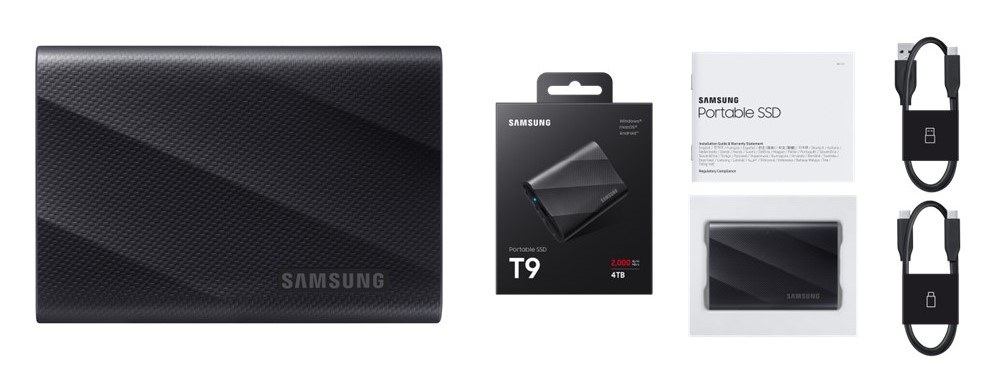
Product and packaging example. Confirm the actual supplier, origin and fulfillment route. Photo: Samsung Newsroom
Ask the Samsung team to quote the full eligible catalog, then select products by contribution, cash exposure and service workload. The assumptions below do not rank actual suppliers or imply that direct buying is cheapest.
Same hypothetical $90 basket
Fixed assumption
What to verify
Invoice
$60
Exact model, quantity and earned rebates
Allocated inbound freight
$2
US ship-from location and packed freight
Receiving / inspection
$1
Serial capture, damage inspection and counting
Landed cost
$63
Domestic US purchase; no direct-import duty assumed
Initial buy: 100 baskets
$6,300 upfront
Both quantity and 100% upfront payment are assumptions
Commercial routes
Route
Role in the plan
Documents before payment
Samsung supply negotiation
Primary catalog discovery; supplier status unverified.
Investigate approved brand access and smaller replenishment lots.
Brand authorization for Company X’s actual channel; genuine invoices; warehouse, warranty and rebate terms.
Qualified refurb / ITAD
Possible Apple value assortment while new-product access develops.
Ownership chain, test and grading records, battery criteria, lock removal, data erasure and seller-backed warranty.
Physical origin is not the purchase route. A US distributor may sell goods manufactured overseas; Company X need not become the importer. Confirm country of origin on the actual SKU/lot and the importer of record. No relationship with a mapped distributor or 3PL is claimed.
Country markers identify manufacturing regions documented by Samsung/Apple; not the origin of any particular SKU. Ingram’s Jonestown example is documented in a 2022 certificate; confirm current ship-from availability. The route is conceptual, not a physical ocean/air itinerary or a supply relationship.
For laptops, tablets and premium watches. Declaring $500+ value automatically adds Direct Signature Required at no extra charge.
$100 liability included; declare full value above that.
2 / ORDERS $100–$500
UPS Ground
For earbuds, watches and mid-range tablets. Tracked, with a signature option available.
$100 liability included. Declared value above $300 costs $1.70 per $100 of value (about $15 on a $900 item, 2026 published rate).
3 / ORDERS UNDER $100
USPS Ground Advantage
For chargers, cables and cases. $100 insurance included; signature confirmation $4.15 online.
Declared value is not insurance; it’s the carrier’s maximum liability. All fees are published list rates; actual rates come from Company X’s carrier or 3PL account.
Which carrier, by order value
Order value
Carrier
Signature
Declared value
Under $100
USPS Ground Advantage
No
Included $100 insurance
$100–$500
UPS Ground
Optional
Declare full value
$500+
FedEx Ground / Home Delivery
Required (automatic)
Declare full value
At exactly $500, use the FedEx recommendation and declare full value.
One inventory pool first. National delivery from day one.
Portable-device use case. Delivery costs are modeled separately; this is not a carrier photograph. Photo: Apple Newsroom
Start with a qualified supplier-fulfillment arrangement or one US 3PL. Compare Northeast and central origins using actual customer ZIPs. A New York headquarters does not require New York inventory.
Carrier / service
Published service context
Use and limitation
USPS Ground Advantage Small items only
Generally 2–5 business days; HAZMAT and noncontiguous routes can take longer.
Candidate for small eligible parcels; verify lithium classification, claims and signature needs.
UPS Ground Recommended: $100–$500
Published 1–5 business days; national service.
Candidate for higher-value tracked parcels. Quote the packed SKU, ZIP and protection separately.
FedEx Ground / Home Delivery Recommended: $500+
Generally 1–5 business days; 3–7 to Alaska/Hawaii.
Candidate for residential electronics; account pricing and surcharges vary.
FedEx Ground Economy Avoid for valuable items
Contractual, typically 2–7 business days. No declared value or signature proof option.
Consider only eligible low-value, nonurgent goods; unsuitable as the default high-value protection solution. No declared value, no signature option; final delivery may be handled by another carrier.
Regional carriers / local courier Later, once volume justifies it
ZIP- and contract-specific; no universal national promise.
Supplement dense lanes after volume exists. Keep a national fallback; separately price failed deliveries.
Whichever 3PL we choose must support FedEx and UPS signature and declared-value options, and scan serial numbers at packing.
Option
Documented footprint / model
Decision question
ShipBob
Network includes NJ/PA, Illinois and western locations.
Quote receiving, pick/pack, packaging, storage, returns, minimums, battery eligibility and serial tracking.
Amazon MCF
Fulfills orders from external channels; unbranded packaging by default.
Check brand/channel permission, traceability, returns, storage and current peak/surcharge fees. Fulfillment is not Apple resale approval.
Red Stag
Salt Lake City, Utah and Sweetwater/Knoxville area, Tennessee.
Compare handling and service against lightweight-accessory needs; do not assume it is the lowest-cost option.
Supplier dropship
Footprint depends on the supplier’s actual ship-from warehouses.
Confirm seller identity, packing slip, inventory feed, dispatch SLA, freight and who processes defects.
Sources: Shipbob · Mcf · Stag. Accessed October 16, 2026.
Regional versus central inventory: an explicit planning comparison
Assumed 1 lb packed parcel, $90 basket
Weighted postage estimate
Other fulfillment allowance
Total / share of order
One Northeast location
40% nearby × $5 + 35% central × $7 + 25% West × $9 = $6.70
$3
$9.70 / 10.8%
One central location
40% East × $7 + 35% central × $5 + 25% West × $7 = $6.30
$3
$9.30 / 10.3%
Two locations: East + West
100% × $5.50 = $5.50
$3 + $1 allocated replenishment/storage
$9.50 / 10.6%
All lane costs, demand shares, packed weight and handling allowances in this table are assumptions, not carrier or 3PL quotes. Two-node allocation simplification is deliberately optimistic; duplicate inventory, minimum fees and stock imbalance can erase postage savings. These totals are alternative sensitivities to the $6 outbound allowance in the main case—not extra costs to add twice. If outbound is $9.30 instead, contribution falls from $7.675 to $4.375.
Recommendation: quote Northeast and central options; start with one pool. Add a second node when measured shipping savings exceed replenishment, storage, minimum fees and extra stock cost. Alaska, Hawaii, territories, PO boxes and battery returns need explicit eligible service and checkout terms. Promise delivery by lane, not a blanket nationwide two-day badge.
Return policy: the founder’s decision
Change of mind is the founder’s decision — strictest first: A) Final sale, stated clearly before payment. B) Sealed-only, 7 days; the customer pays the return label. C) Sealed-only, 14 days; the earlier proposal, with customer-paid return postage.
For options B and C, goods must remain unused, unactivated and factory-sealed, with all contents and proof of purchase. Opened or activated electronics are not eligible for change-of-mind returns. State any product-specific conditions before payment.
For an eligible preference return, you pay the return label cost disclosed before payment. There is no restocking fee. We refund the item price and applicable tax to the original payment method; separately charged original delivery is not refundable. We do not deduct a hidden outbound charge where delivery was advertised as free.
If your item arrives dead, damaged, wrong, or materially different from its listing, contact us as soon as possible and within 30 calendar days of delivery. Company X supplies an appropriate prepaid return method and offers a replacement or a refund, including applicable tax and original delivery charges. We may request reasonable photos or diagnostics; do not ship a damaged battery without instructions. No restocking fee applies.
After inspection, we issue an approved refund within five business days; your payment provider may take additional time to post it. For later faults, we help you access the stated product warranty. These time windows do not limit rights or remedies required by law, applicable manufacturer commitments or payment-network rules. Each independent seller’s applicable policy must be shown before purchase and may not reduce mandatory rights.
FACTS / ASSUMPTIONS / UNKNOWNS
The research file
Organized around all 13 requested topics. Citations sit beside claims. Missing data stays missing; no supplier relationship, wholesale margin or conversion uplift is invented.
Apple Newsroom · illustrative use case; not a Company X customer.
Current recommendation — October 16 revision
This revision replaces the earlier laptop-first and broad preference-return recommendations. Use the current Apple route plan, small-product assortment, owner-selected return policy and fixed estimates. Earlier research below is retained for its sources and analysis; earlier scenarios are references, not current recommendations.
Apple route and eligibility
APPLE / THE ROUTE TO PRODUCT
Build a route Apple can approve.
The question is access. Start by getting the correct US retail/e-tail channel decision, then build the evidence and operating record to support it.
Route
What is publicly established
Action for Company X
US consumer authorized reseller
No universal public minimum sales volume, years-in-business rule, financial ratio, storefront specification or approval SLA was verified.
Ask Apple for current US e-tail eligibility and the approved distributor route. Do not import criteria from service programs or other countries.
TD SYNNEX Apple Partner Network
Commercial/enterprise route: retail/e-tail and K–12 excluded. Published requirements include $200,000 annual Apple sales capacity, five trained staff, one annual campaign, dedicated Apple web page, weekly reporting, quarterly forecast, MDM and Wi-Fi certificates.
A separate B2B solutions business could explore it. These are not requirements for Company X’s consumer storefront.
TD SYNNEX transactional reseller
Commercial ad-hoc route also excludes retail/e-tail. Its rider restricts third-party marketplaces and hosted third-party sellers.
Do not use this agreement as permission to list Apple on Company X. Ask for the applicable consumer retail route.
Ingram Micro / TD SYNNEX
Both publicly carry or support Apple channels. Distributor customer approval is separate from brand/category/channel approval.
Ask their Apple team which US program permits Company X’s exact legal seller and website. Obtain written scope before ordering.
Professional refurbished supply
A genuine used/refurbished product route can be explored without claiming Apple-authorized status. Commercial channel contracts still matter.
Verify provenance, serials, activation/MDM locks, grading, battery standard and seller-backed warranty. Do not call third-party stock “Apple Certified Refurbished.”
Compatible accessories first
Apple MFi is a technology/accessory licensing program, not authorization to resell Apple hardware.
Buy legitimate compatible products through their own brand channels. Build evidence; there is no automatic promotion to Apple authorization.
First contact: Apple’s US Reseller Referral line, 1-800-538-9696, requesting the team responsible for US consumer e-tail reseller eligibility. In parallel, ask AppleUS@tdsynnex.com to identify the appropriate route; that address is published for its commercial programs, not a promise of a consumer application.
For the published commercial partner process: prepare the business plan and reseller profile, send them to TD SYNNEX, complete its review, then seek nomination to Apple. Nominations are submitted quarterly. No reliable public approval duration or acceptance probability was found. Consumer enrollment timing must come from the relevant team.
Sources: Contact · Apn. Accessed October 16, 2026.
PREPARE NOW
A credible application file
Legal entity, resale certificate, ownership, financial statements and credit references; trading history and category sales; order and return performance; customer acquisition plan; support ownership; exact domain and legal seller. These are proposed readiness materials, not verified universal Apple entry requirements.
SHOW THE CUSTOMER EXPERIENCE
A retail-ready storefront
Accurate product content, serial-level records, warranty and condition disclosure, secure payment, delivery tracking, clear returns and no unauthorized Apple badge. Show Samsung operating results rather than an unsupported Apple sales forecast.
ASK A DECISION QUESTION
What would make us eligible?
“Which US program allows Company X to sell new Apple products as the retailer on the company’s website? Is a physical location required? What volume, credit, history and brand-presentation evidence would you need, and can an approved distributor nominate us?”
Named program contact or clear written eligibility response.
Months 3–6
Document sales, fulfillment, defects and cash discipline; test qualified refurb supply if viable.
Traceable stock, defensible warranty and positive contribution.
Months 6–12
Submit applicable reseller/distributor application if invited; negotiate limited SKU access.
Written retail/e-tail rights and viable landed terms; no deadline assumed.
Months 12–24
Expand authorized SKUs if approved; consider a genuine staffed B2B practice if commercially justified.
Actual approval and economics. Otherwise continue legitimate refurb/accessories without representing Apple authorization.
Outreach wording for the owner
“We operate Company X, an online marketplace, and want a compliant route to new Apple products sold by our own legal entity on the company’s website. We understand your published commercial programs exclude retail/e-tail. Could you identify the appropriate consumer e-tail program or distributor contact, its current requirements, and whether our multivendor site architecture is eligible? We can provide financials, operating results and a detailed channel plan.”
Small-product comparison and assumptions
SAMSUNG’S FULL CATALOG / A SELECTIVE LAUNCH
Start with portable essentials. Make the basket worth shipping.
Recommend a Samsung-led earbuds, charging and compatible-accessories pilot. Keep laptops as a small, quote-qualified offer. Evaluate watches next; defer bulky TVs and appliances until freight, installation and reverse logistics are staffed.
Demand is real at category level; Company X velocity is still to be tested
IDC reports 145.7 million global wearable shipments in Q1 2026, up 4.3%; hearables represent roughly two-thirds. Its 2026 hearables forecast is 407.6 million units. These are global shipment measures, not US online sell-through or Company X sales. Reliable public SKU-level volume, US online subcategory return rates, reseller margins and Company X attach rates were not found. Laptops are not universally slow-turning, nor are all accessories high-margin.
Fixed product economics: screening assumptions, not typical margins
All prices, margins, shipping and return-rate ranges below are analyst scenarios, not current retail offers, supplier quotes or measured industry benchmarks. Landed cost includes inbound allocation. Shipping is assumed seller-funded outbound parcel/packing; acquisition and returns are additional.
Candidate
Sale / landed cost
Assumed gross margin
Outbound / share of sale
Return-rate sensitivity—not observed
Laptop reference
$900 / $792
12%
$15 / 1.7%
4–12%
Galaxy Buds example
$150 / $127.50
15%
$7 / 4.7%
3–10%
AirPods example
$180 / $162
10%
$7 / 3.9%
3–10%
Galaxy Watch / smartwatch
$250 / $212.50
15%
$8 / 3.2%
4–12%
HomePod / smart speaker
$200 / $180
10%
$10 / 5.0%
3–10%
Charger + cable
$40 / $26
35%
$5 / 12.5%
2–8%
Cable alone
$20 / $12
40%
$5 / 25.0%
2–8%
Case / sleeve
$30 / $18
40%
$5 / 16.7%
2–8%
THE LAUNCH DECISION
Lead with qualified Samsung small-device bundles—not standalone cheap cables bought through expensive ads.
Galaxy Buds are a demand candidate, not a presumed margin winner. Watches add compatibility and sizing questions; opened earbuds have hygiene and resale issues; AirPods add authenticity risk; HomePod is heavier and ecosystem-specific. Cases fragment inventory by model. Chargers require genuine safety documentation. Quote the whole Samsung catalog, then rank SKUs by contribution per order, cash tied up and service burden.
Attachment and turns: set a test, not a forecast
At assumed 10%, 20% and 30% paid attachment, every 100 primary-device orders produce 10, 20 and 30 accessory sales. If an attached $40 item costs $26 landed, $1.16 processing, $1 extra fulfillment and $2 expected return/support, contribution is $9.84 each: $0.98 / $1.97 / $2.95 per primary order. No extra CAC or fixed payment fee is allocated because it shares the same checkout.
At 100 monthly units and 30 days of stock, the $792 laptop requires $79,200 of product capital versus $12,750 for the $127.50 earbuds example. Both turn at the same assumed rate; smaller items only turn faster if actual demand proves it. Start with a capped buy and review 30-day sell-through, attachment and contribution by SKU.
Policy and conversion cost hurdle
RETURNS / OWNER’S POLICY DECISION
Choose a strict return policy. Keep a clear defect remedy.
Change of mind is the founder’s decision — strictest first: A) Final sale, stated clearly before payment. B) Sealed-only, 7 days; the customer pays the return label. C) Sealed-only, 14 days; the earlier proposal, with customer-paid return postage.
For every option: replace or refund dead, damaged or wrong items reported within 30 days of delivery. Card networks decide “defective / not as described” disputes regardless of the store’s return policy. On a $90 order, a lost dispute costs about $87 ($63 product + $2.91 card fee + $6 shipping + $15 dispute fee), versus about $15 for a return.
NY GBL §218-a: no-refund or store-credit-only policies are allowed, but the policy and any fees must be shown online before payment, near the item or before requesting billing details. Otherwise, a buyer can claim a refund or credit within 30 days of purchase for unused, undamaged goods with proof of purchase. NY refund-policy disclosure law.
Option C: the cost of the earlier proposal
Option C is a cost scenario, not the recommendation. Sealed returns may reduce purchase hesitation while preserving resale condition. Clear defect remedies may reduce uncertainty and avoid escalation. Neither effect has a reliable electronics-specific causal conversion estimate. NRF’s cross-category survey supports the importance of return experience, but it does not quantify Company X’s conversion response.
Option C and comparison scenarios vs DOA-only baseline
Assumed extra events × incremental loss
Cost per original order
Relative order/conversion uplift needed
14-day sealed preference return
2% × $30
$0.60
8.48%
Selected compatibility remedy
1% × $35
$0.35
4.78%
Broad opened preference returns
5% × $50
$2.50
48.3%
All figures are assumptions. Baseline contribution is $7.675/order after existing losses and acquisition. Incremental loss includes reversed product spread, unrecovered fulfillment/payment and handling net of resale recovery—so lost profit is not omitted. Holding traffic and all other costs constant, required relative uplift = $7.675 / ($7.675 − added cost) − 1. Example: 2.00% conversion would need to reach about 2.17% for the sealed scenario. These are break-even hurdles, not predicted uplifts; scenarios are separate, not additive. Customer-paid return postage is already assumed for sealed preference returns.
Decision: the founder chooses A, B or C. The table retains the earlier option C cost hurdle and separate comparison scenarios; it does not recommend expanding returns. Fund defect remedies under every option and measure contribution, return reasons and resale recovery.
Read the return-policy options and defect remedy
Return policy: the founder’s decision
Change of mind is the founder’s decision — strictest first: A) Final sale, stated clearly before payment. B) Sealed-only, 7 days; the customer pays the return label. C) Sealed-only, 14 days; the earlier proposal, with customer-paid return postage.
For options B and C, goods must remain unused, unactivated and factory-sealed, with all contents and proof of purchase. Opened or activated electronics are not eligible for change-of-mind returns. State any product-specific conditions before payment.
For an eligible preference return, you pay the return label cost disclosed before payment. There is no restocking fee. We refund the item price and applicable tax to the original payment method; separately charged original delivery is not refundable. We do not deduct a hidden outbound charge where delivery was advertised as free.
If your item arrives dead, damaged, wrong, or materially different from its listing, contact us as soon as possible and within 30 calendar days of delivery. Company X supplies an appropriate prepaid return method and offers a replacement or a refund, including applicable tax and original delivery charges. We may request reasonable photos or diagnostics; do not ship a damaged battery without instructions. No restocking fee applies.
After inspection, we issue an approved refund within five business days; your payment provider may take additional time to post it. For later faults, we help you access the stated product warranty. These time windows do not limit rights or remedies required by law, applicable manufacturer commitments or payment-network rules. Each independent seller’s applicable policy must be shown before purchase and may not reduce mandatory rights.
Proposed policy for founder adoption after assigning the stated refund/support service levels. Publish it prominently on product pages and before checkout. No numerical chargeback reduction or conversion uplift is assumed.
National fulfillment assessment
NATIONWIDE FULFILLMENT / NEW YORK OPERATING BASE
One inventory pool first. National delivery from day one.
Start with a qualified supplier-fulfillment arrangement or one US 3PL. Compare Northeast and central origins using actual customer ZIPs. A New York headquarters does not require New York inventory.
Carrier / service
Published service context
Use and limitation
USPS Ground Advantage
Generally 2–5 business days; HAZMAT and noncontiguous routes can take longer.
Candidate for small eligible parcels; verify lithium classification, claims and signature needs.
UPS Ground
Published 1–5 business days; national service.
Candidate for higher-value tracked parcels. Quote the packed SKU, ZIP and protection separately.
FedEx Ground / Home Delivery
Generally 1–5 business days; 3–7 to Alaska/Hawaii.
Candidate for residential electronics; account pricing and surcharges vary.
FedEx Ground Economy
Contractual, typically 2–7 business days. No declared value or signature proof option.
Consider only eligible low-value, nonurgent goods; unsuitable as the default high-value protection solution.
Regional carriers / local courier
ZIP- and contract-specific; no universal national promise.
Supplement dense lanes after volume exists. Keep a national fallback; separately price failed deliveries.
Network includes NJ/PA, Illinois and western locations.
Quote receiving, pick/pack, packaging, storage, returns, minimums, battery eligibility and serial tracking.
Amazon MCF
Fulfills orders from external channels; unbranded packaging by default.
Check brand/channel permission, traceability, returns, storage and current peak/surcharge fees. Fulfillment is not Apple resale approval.
Red Stag
Salt Lake City, Utah and Sweetwater/Knoxville area, Tennessee.
Compare handling and service against lightweight-accessory needs; do not assume it is the lowest-cost option.
Supplier dropship
Footprint depends on the supplier’s actual ship-from warehouses.
Confirm seller identity, packing slip, inventory feed, dispatch SLA, freight and who processes defects.
Sources: Shipbob · Mcf · Stag. Accessed October 16, 2026.
Regional versus central inventory: an explicit planning comparison
Assumed 1 lb packed parcel, $90 basket
Weighted postage estimate
Other fulfillment allowance
Total / share of order
One Northeast location
40% nearby × $5 + 35% central × $7 + 25% West × $9 = $6.70
$3
$9.70 / 10.8%
One central location
40% East × $7 + 35% central × $5 + 25% West × $7 = $6.30
$3
$9.30 / 10.3%
Two locations: East + West
100% × $5.50 = $5.50
$3 + $1 allocated replenishment/storage
$9.50 / 10.6%
All lane costs, demand shares, packed weight and handling allowances in this table are assumptions, not carrier or 3PL quotes. Two-node allocation simplification is deliberately optimistic; duplicate inventory, minimum fees and stock imbalance can erase postage savings. These totals are alternative sensitivities to the $6 outbound allowance in the main case—not extra costs to add twice. If outbound is $9.30 instead, contribution falls from $7.675 to $4.375.
Recommendation: quote Northeast and central options; start with one pool. Add a second node when measured shipping savings exceed replenishment, storage, minimum fees and extra stock cost. Alaska, Hawaii, territories, PO boxes and battery returns need explicit eligible service and checkout terms. Promise delivery by lane, not a blanket nationwide two-day badge.
SIMULATED STORE · Prices, discounts, reviews, stock, delivery and service terms are samples. Brand authorization is not confirmed.
SAMSUNG AT THE CORE. MORE WAYS TO UPGRADE.
Everyday tech. Thoughtfully selected.
Explore a proposed mix of Samsung essentials, Apple accessories, trusted audio, charging, storage and peripherals.
A shopping prototype, not a live offer. Supplier terms are assumed.
Find your next essential
36 products
Samsung · Laptops
★★★★★ 4.5 (37 sample reviews)
$1,099.99$1,149.99
Simulated price & list price
Samsung · Phones
★★★★★ 4.6 (50 sample reviews)
$699.99$749.99
Simulated price & list price
Samsung · Tablets
★★★★★ 4.7 (63 sample reviews)
$449.99$499.99
Simulated price & list price
Samsung · Audio
★★★★★ 4.8 (76 sample reviews)
$179.99$199.99
Simulated price & list price
Samsung · Accessories
★★★★★ 4.9 (89 sample reviews)
$299.99$349.99
Simulated price & list price
Samsung · Monitors
★★★★★ 4.5 (102 sample reviews)
$699.99$749.99
Simulated price & list price
Samsung · Storage
★★★★★ 4.6 (115 sample reviews)
$179.99$199.99
Simulated price & list price
Samsung · Phones
★★★★★ 4.7 (128 sample reviews)
$999.99$1,049.99
Simulated price & list price
Apple · Audio
★★★★★ 4.8 (141 sample reviews)
$129.99$149.99
Simulated price & list price
Apple · Audio
★★★★★ 4.9 (154 sample reviews)
$269.99$319.99
Simulated price & list price
Apple · Accessories
★★★★★ 4.5 (167 sample reviews)
$99.99$119.99
Simulated price & list price
Sony · Audio
★★★★★ 4.6 (180 sample reviews)
$249.99$299.99
Simulated price & list price
Bose · Audio
★★★★★ 4.7 (193 sample reviews)
$229.99$279.99
Simulated price & list price
LG · Monitors
★★★★★ 4.8 (206 sample reviews)
$349.99$399.99
Simulated price & list price
Anker · Charging
★★★★★ 4.9 (219 sample reviews)
$39.99$59.99
Simulated price & list price
Anker · Charging
★★★★★ 4.5 (232 sample reviews)
$109.99$129.99
Simulated price & list price
SanDisk · Storage
★★★★★ 4.6 (245 sample reviews)
$109.99$129.99
Simulated price & list price
Crucial · Storage
★★★★★ 4.7 (258 sample reviews)
$99.99$119.99
Simulated price & list price
Logitech · Peripherals
★★★★★ 4.8 (271 sample reviews)
$89.99$109.99
Simulated price & list price
Logitech · Peripherals
★★★★★ 4.9 (284 sample reviews)
$79.99$99.99
Simulated price & list price
Apple · Audio
★★★★★ 4.5 (297 sample reviews)
$449.99$499.99
Simulated price & list price
Samsung · Laptops
★★★★★ 4.6 (310 sample reviews)
$899.99$949.99
Simulated price & list price
Logitech · Peripherals
★★★★★ 4.7 (323 sample reviews)
$79.99$99.99
Simulated price & list price
Logitech · Peripherals
★★★★★ 4.8 (336 sample reviews)
$89.99$109.99
Simulated price & list price
Apple · Laptops
★★★★★ 4.9 (208 sample reviews)
$899.99$999.99
Simulated price & list price
Apple · Laptops
★★★★★ 4.5 (215 sample reviews)
$1,499.99$1,599.99
Simulated price & list price
Microsoft · Laptops
★★★★★ 4.6 (222 sample reviews)
$999.99$1,099.99
Simulated price & list price
Apple · Tablets
★★★★★ 4.7 (229 sample reviews)
$549.99$649.99
Simulated price & list price
Apple · Tablets
★★★★★ 4.8 (236 sample reviews)
$899.99$999.99
Simulated price & list price
Apple · Tablets
★★★★★ 4.9 (243 sample reviews)
$449.99$549.99
Simulated price & list price
Samsung · Phones
★★★★★ 4.5 (250 sample reviews)
$1,699.99$1,799.99
Simulated price & list price
Samsung · Phones
★★★★★ 4.6 (257 sample reviews)
$899.99$999.99
Simulated price & list price
Samsung · Phones
★★★★★ 4.7 (264 sample reviews)
$799.99$899.99
Simulated price & list price
Apple · Monitors
★★★★★ 4.8 (271 sample reviews)
$1,399.99$1,499.99
Simulated price & list price
LG · Monitors
★★★★★ 4.9 (278 sample reviews)
$299.99$399.99
Simulated price & list price
LG · Monitors
★★★★★ 4.5 (285 sample reviews)
$899.99$999.99
Simulated price & list price
No matching products. Try another category or search.
Simulated selling and list prices; no actual discount claim.
● In stock · simulated inventory
Estimated delivery: 2–5 business days · demo assumption
Key product details
Warranty: proposed one-year seller support for this demo; actual manufacturer coverage and seller eligibility must be verified for the exact SKU before launch.
Returns: the founder chooses A) final sale, B) sealed-only for 7 days with a customer-paid return label, or C) sealed-only for 14 days (earlier proposal). The chosen policy and fees must be shown before payment. Dead, damaged or wrong items reported within 30 days receive a replacement or refund. Mandatory rights remain unaffected.